
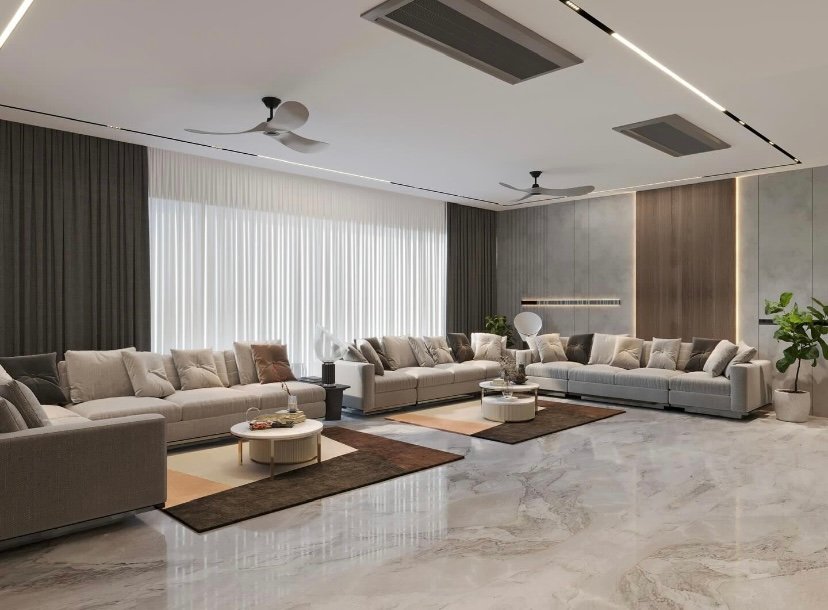
Mumbai has always been a city that embraces change. From its skyline to its lifestyle, the city continuously evolves, and so do the homes within it. As we move into 2026, luxury interior design is shifting away from simply showcasing wealth and moving toward creating spaces that feel personal, functional, and deeply connected to the people who live in them.
Today’s luxury homeowners are looking beyond expensive finishes and statement furniture. They want homes that improve everyday living, reflect their personalities, and seamlessly integrate technology, comfort, and sustainability. The result is a new design language that is sophisticated without being excessive.
A More Personal Definition of Luxury
One of the most noticeable shifts in luxury interiors is the growing emphasis on personalization. Homeowners no longer want spaces that look like showrooms or replicate trends seen across social media. Instead, they are investing in custom-designed interiors that tell their own story.
From bespoke furniture pieces to curated artwork and handcrafted décor, every element is carefully selected to create a home that feels unique. This approach not only adds character but also ensures the space remains timeless rather than trend-driven.
Luxury in 2026 is less about following design rules and more about creating an environment that genuinely reflects the lifestyle of its occupants.
Nature Finds Its Way Indoors
Despite living in one of India’s busiest metropolitan cities, Mumbai homeowners are increasingly seeking stronger connections with nature. This desire has led to the continued rise of biophilic design, a concept that integrates natural elements into interior spaces.
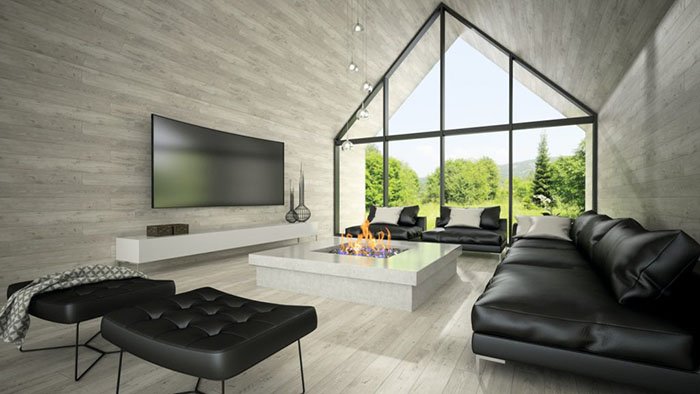
Large windows, indoor greenery, natural stone surfaces, wooden textures, and abundant daylight are becoming defining features of luxury homes. Beyond aesthetics, these elements contribute to a calmer and healthier living environment.
Designers are also exploring creative ways to introduce greenery into apartments through vertical gardens, indoor courtyards, and strategically placed planters. These additions help soften urban interiors while creating a sense of balance and tranquillity.
Smart Homes Become Effortlessly Invisible
Technology continues to influence interior design, but the way it is incorporated is changing. Homeowners no longer want visible gadgets dominating their interiors. Instead, the focus is on seamless integration.
Lighting, security, climate control, entertainment systems, and motorized curtains are increasingly being controlled through centralized smart-home systems. The technology remains hidden in the background, enhancing convenience without compromising the design aesthetic.
The most successful luxury interiors in 2026 are those where technology feels intuitive rather than intrusive.
Warm Minimalism Takes Over
For several years, ultra-minimalist interiors dominated luxury design. While the appeal of clean lines and uncluttered spaces remains strong, homeowners are now gravitating toward warmer and more inviting environments.
This evolution has given rise to what many designers call “warm minimalism.”
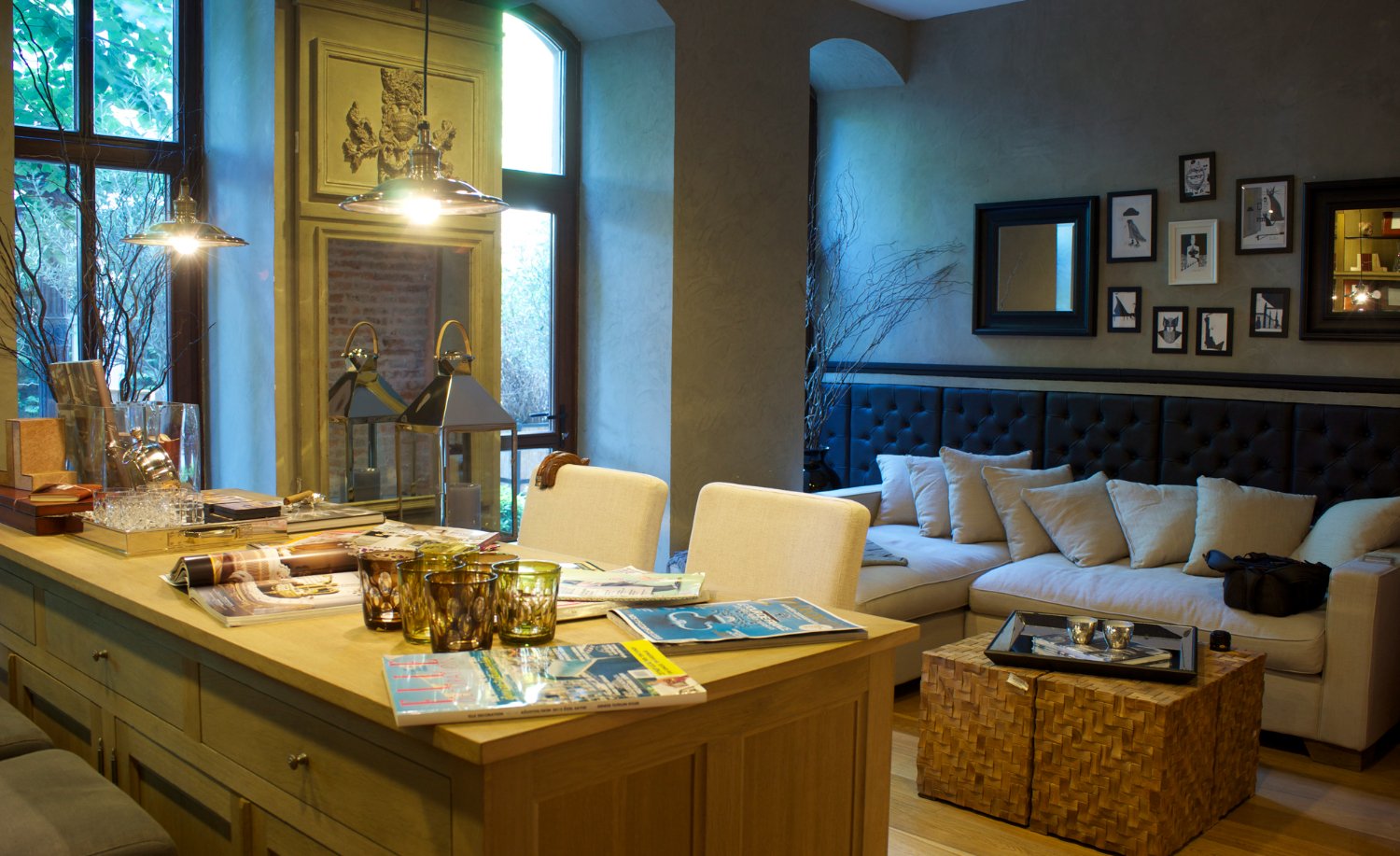
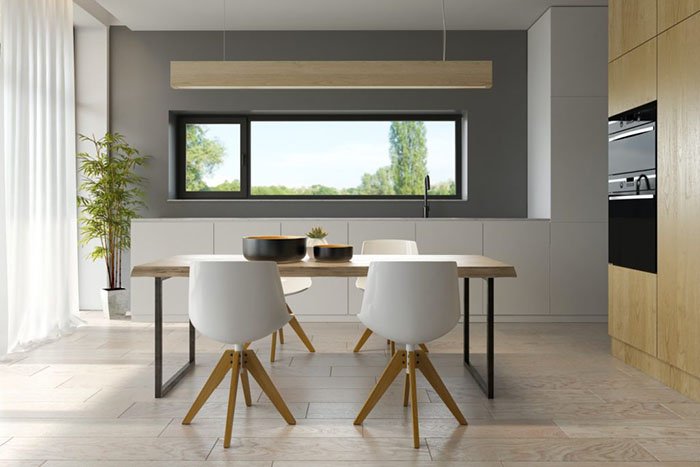
Neutral palettes, textured fabrics, natural materials, soft lighting, and curved furniture forms are replacing stark white interiors and overly rigid layouts. The result is a space that feels elegant while maintaining a sense of comfort and livability.
Rather than creating homes that impress visitors, the goal is to create homes that people genuinely enjoy living in.
Kitchens Become the Heart of the Home
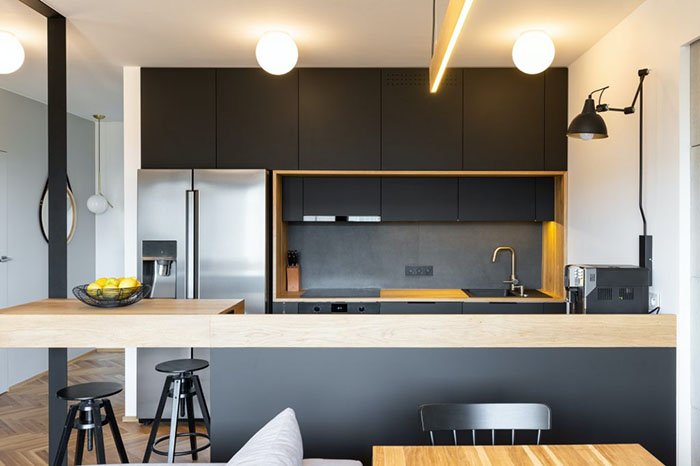
The modern luxury kitchen has transformed into much more than a place for preparing meals. It has become a social space where families gather, conversations happen, and guests naturally gravitate during gatherings.
Open layouts continue to dominate, with expansive islands serving as both functional workspaces and informal dining areas. Premium appliances, concealed storage, and seamless cabinetry help maintain a clean and sophisticated appearance.
The emphasis is on creating a kitchen that feels integrated with the rest of the home while remaining highly functional for everyday use.
Sustainability Becomes a Luxury Essential
Environmental responsibility is no longer a niche consideration. It is becoming a core component of luxury design.
Homeowners are increasingly prioritizing sustainable materials, energy-efficient systems, and locally sourced products. Reclaimed wood, natural stone, eco-friendly finishes, and durable handcrafted furniture are gaining popularity across premium residential projects.
This shift reflects a broader understanding that true luxury lies in quality, longevity, and thoughtful design choices rather than unnecessary consumption.
As sustainability becomes a priority, designers are finding innovative ways to create beautiful interiors without compromising environmental values.
Spaces Designed for Well-Being
The concept of wellness is influencing nearly every aspect of interior design in 2026.
Dedicated meditation corners, spa-inspired bathrooms, fitness rooms, reading nooks, and quiet workspaces are becoming increasingly common in luxury residences. These areas are designed to support mental clarity, relaxation, and overall well-being.
Lighting also plays an important role. Designers are carefully layering natural and artificial light to create environments that feel comfortable throughout the day while supporting healthier daily routines.
In many ways, luxury homes are evolving into personal sanctuaries that provide respite from the demands of urban life.
The Return of Craftsmanship
Handcrafted details are making a strong comeback in premium interiors.
Homeowners are moving away from mass-produced furnishings and investing in custom-made pieces that showcase exceptional craftsmanship. Whether it’s a handcrafted dining table, a bespoke wardrobe, or custom wall paneling, these elements add authenticity and exclusivity to a space.
This appreciation for craftsmanship aligns perfectly with the broader movement toward personalization and quality-driven design.
A carefully crafted piece often brings more character to a home than an entire room filled with generic luxury products.
Looking Ahead
The future of luxury interior design in Mumbai is centered around balance. Technology and nature, sophistication and comfort, aesthetics and functionality are no longer viewed as opposing concepts. Instead, they work together to create homes that support modern lifestyles while remaining timeless in their appeal.
As homeowners become more intentional about the spaces they inhabit, the role of interior design continues to grow in importance. The homes of 2026 will not simply look beautiful—they will feel meaningful, adaptable, and deeply personal.
For those planning to build, renovate, or transform their living spaces, these emerging trends offer valuable inspiration for creating interiors that remain relevant for years to come.
At Twelve Trees Elements, we believe luxury is not defined by excess but by thoughtful design, exceptional craftsmanship, and spaces that genuinely enhance everyday living. By combining innovation, functionality, and timeless aesthetics, we help homeowners create interiors that are as unique as the stories they tell.